Carlos Queiroz Demands VAR Clarity: Why Football Needs Rugby's Transparency
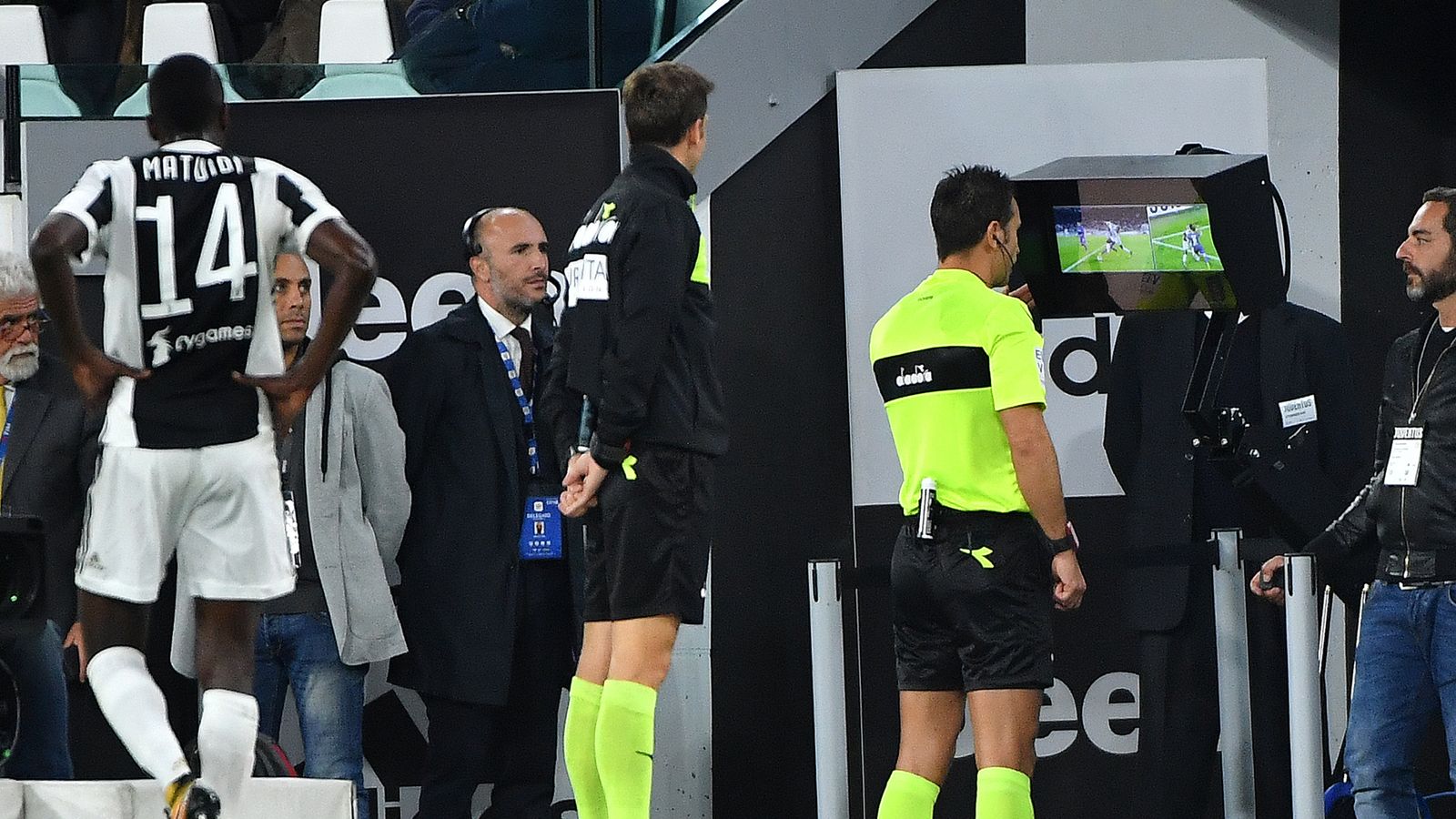
The beautiful game, for all its passionate support and dramatic flair, finds itself at a crossroads with the ubiquitous presence of the Video Assistant Referee (VAR). While introduced with the noble aim of eradicating "clear and obvious" errors, VAR has frequently plunged matches into confusion, leaving fans, players, and even coaches questioning the very integrity of the decision-making process. Few have articulated this frustration more vehemently than former Iran boss Carlos Queiroz, whose impassioned plea for greater football VAR clarity echoes across the global football community. His suggestion? Look to rugby for a masterclass in transparency.
Queiroz’s call for reform stems from a pivotal moment in the 2018 World Cup. Following Iran's 1-1 draw with Portugal, he openly challenged FIFA President Gianni Infantino regarding a controversial incident involving Cristiano Ronaldo. Queiroz argued that Ronaldo's apparent elbow should have resulted in a red card, yet VAR failed to flag it decisively. This incident, he contended, highlighted a systemic issue: a lack of transparent communication and consistent application of the rules, regardless of a player's stature. "Elbow is a red card in the rules," Queiroz stated emphatically. "The rules doesn't say if it's Messi or Ronaldo." This sentiment underscores a core belief: the game belongs to the people, and decisions, especially those influenced by technology, should not be shrouded in mystery.
The Call for Transparency: Why Rugby's Model Appeals
Carlos Queiroz's frustration isn't merely about a single incident; it's a profound critique of VAR's operational opacity. His demand for clarity isn't unprecedented, nor is his suggested solution radical. The world of rugby, with its highly effective Television Match Official (TMO) system, offers a compelling blueprint for how video technology can enhance, rather than detract from, the sporting spectacle. In rugby, when a TMO review is initiated, the entire stadium and broadcast audience hear the dialogue between the on-field referee and the TMO. They witness the replay, understand the questions being asked, and follow the reasoning as a decision is reached.
This level of open communication fosters trust and understanding. Fans, even if they disagree with the ultimate outcome, can appreciate the process. They are made privy to the considerations and challenges faced by the officials. Queiroz argued that football needed to adopt a similar approach: "My suggestion, Mr Infantino, they have to put up their hand and say: 'Sorry, VAR is not working so we have to stop it,' or the communication must be clear like rugby, when everybody knows what is going on."
The benefits of such transparency for football VAR clarity are manifold. It would demystify the process, reduce frustration, and potentially mitigate the often-vitriolic criticism directed at officials. Imagine a scenario where, rather than waiting in silence, fans in the stadium see the exact angles being reviewed and hear the VAR official explain why a foul is being assessed or an offside decision confirmed. This proactive engagement could transform the fan experience, making them feel more included and informed, rather than alienated by unseen forces "behind the scenes."
Navigating the Offside Labyrinth: "Clear and Obvious" vs. "Forensic Detail"
Beyond the lack of communication, another major battleground for VAR controversy lies in the application of the "clear and obvious" error principle, particularly concerning offside decisions. Lukas Brud, the general secretary of football's lawmakers, IFAB, has had to clarify his own statements on this, illustrating the ongoing confusion surrounding VAR's directive. Initially, his comments seemed to suggest that VAR was being "too forensic," ignoring the spirit of "clear and obvious." However, Brud later clarified that while VAR shouldn't *search* for offsides, if the technology identifies one, even by a centimeter, it remains an offside. "Offside is offside," he stated, adding there should be "no tolerance limit" or "margin of error." This nuanced stance, while legally precise, often clashes with the subjective experience of the game and the limitations of the technology.
The challenge for football VAR clarity in offside calls is stark. A standard HD camera captures 50 frames per second, yet elite players like Manchester City's Kyle Walker can cover nearly 20 centimeters within a single frame. This technical reality means that pinpointing the exact moment the ball is played and a player's precise position can be incredibly difficult, often leading to decisions that are "forensically" correct but visually imperceptible to the human eye. These agonizingly tight calls, depicted by calibrated lines on a screen, often halt the momentum of the game, creating lengthy delays and dampening the roar of a goal celebration, only for it to be chalked off by an armpit or a heel that was millimeters ahead. This creates a disconnect between the absolute precision demanded by the rules and the practical ability of the technology, fueling the very debates VAR was meant to extinguish.
Bridging the Gap: Initiatives for Fan Engagement and Understanding
While Queiroz's outspoken criticism and the ongoing offside debates highlight the problems, some football associations are actively seeking solutions to enhance football VAR clarity and fan understanding. The Norwegian Football Association (NFF) provides a commendable example of proactive engagement. Recognising the intense debate and widespread desire among fans to abolish VAR, the NFF launched a dedicated account on X (formerly Twitter). This platform provides real-time updates, explanations, and background information on VAR decisions during breaks and after matches. It even encourages factual comments from the public, fostering a constructive dialogue around the technology.
This initiative, as detailed in Norway Football's X Account: Bringing Live VAR Explanations to Fans, serves several crucial purposes. Firstly, it offers a direct channel for communication, addressing the "behind the scenes" criticism directly. Secondly, by explaining the rationale and rules behind decisions, it aims to educate fans and build a greater appreciation for the complexity of officiating. Thirdly, by inviting comments, it acknowledges and validates fan sentiment, even if the system itself is retained (as it was in Norway by a clear majority vote). While a social media account cannot fully replicate the live, in-stadium transparency of rugby, it represents a significant step towards demystifying VAR and increasing accountability.
Other potential initiatives could include:
- In-stadium Explanations: Utilizing large screens to show relevant replays and textual explanations of VAR decisions, even if live audio isn't immediately feasible.
- Post-Match Debriefs: Regular, official explanations from refereeing bodies regarding controversial incidents, accessible to media and the public.
- Interactive Fan Guides: Digital resources explaining the nuances of VAR protocols and specific laws, particularly regarding offside and handball.
The Path Forward: Balancing Technology, Tradition, and Trust
The calls for greater football VAR clarity from figures like Carlos Queiroz underscore a universal truth: for technology to truly serve the game, it must enhance the experience for all stakeholders, especially the fans. VAR is here to stay; the question is not if, but how it can evolve to better integrate with the sport's ethos. The disparity between the "clear and obvious" principle and the "forensic" reality of offside calls, coupled with the lack of transparent communication, represents a significant hurdle to widespread acceptance.
To move forward, football must strike a delicate balance. This involves:
- Standardized Application: Ensuring that VAR protocols are applied consistently across all leagues and competitions, eliminating confusion about what constitutes an intervention-worthy error.
- Enhanced Communication: Exploring methods, whether through in-stadium announcements, broadcast audio, or robust digital platforms like Norway's, to inform fans and pundits in real-time about the review process and its outcome.
- Technological Refinement: Investing in advancements such as semi-automated offside technology, which promises quicker, more accurate, and less contentious decisions, reducing lengthy delays.
- Referee Training and Support: Equipping VAR officials with the tools and consistent training to make swift, accurate decisions that align with the spirit of the game, not just the letter of the law interpreted to the millimeter.
- Fan Education: Proactively educating supporters on the intricacies of VAR, its limitations, and the rules it's designed to enforce, fostering realistic expectations.
The passion Queiroz exhibited reflects the deep emotional connection fans have with football. Preserving that connection requires a commitment to fairness, consistency, and, crucially, transparent communication. By learning from other sports and embracing innovative approaches, football can ensure VAR genuinely serves its purpose: to reduce controversy, uphold justice, and ultimately, enhance the beautiful game for everyone.